
Best Betting Sites With Apple Pay in 2026 — What It Actually Costs
 Available in US
Last updated 26 October 2026 · Operator terms checked against each brand’s published conditions and against the Gambling Commission’s public register.
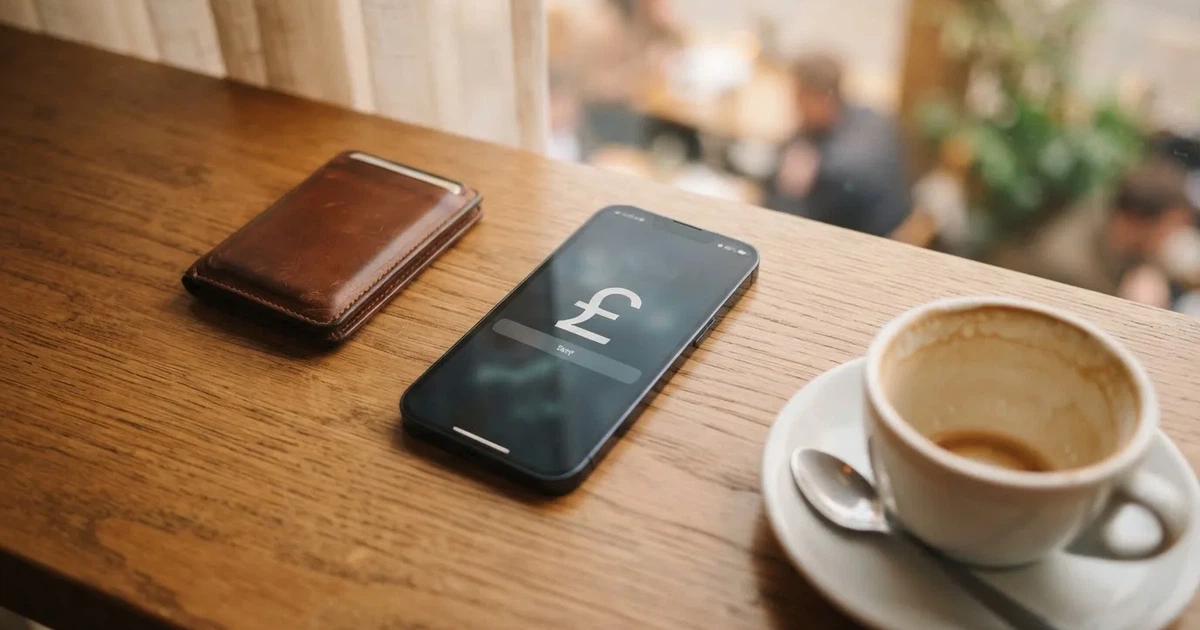
The credit-card ban changed the cashier at every British bookmaker. Since 14 April 2020 no Gambling Commission licensee can take a credit card — including one funded through an e-wallet — and that left a single contactless front door for most punters: Apple Pay, riding on top of the debit card that actually sits behind it. Ten reviewed bookmakers below take Apple Pay, and the interesting question is no longer whether they do. It is what each charges for the privilege, how quickly it returns money, and which terms quietly shrink the headline bonus.
The cashier: how Apple Pay works at a UK bookmaker
Apple Pay launched on 20 October 2014 and reached the United Kingdom on 14 July 2015. A punter who adds a Visa or Mastercard debit card to the Wallet app on an iPhone, iPad, Mac or Apple Watch then authorises each payment with Face ID, Touch ID or a passcode, depending on the device. The card number never reaches the bookmaker. Apple replaces it with a tokenised Device Primary Account Number and a one-off dynamic security code per transaction, so even a compromised merchant database holds nothing a fraudster can replay at another site.

The cashier experience at a betting site mirrors an Apple Pay payment anywhere else on the web: pick Apple Pay, confirm with Face ID or a passcode, and the deposit lands. The bookmaker sees a Visa or Mastercard debit transaction, because that is what Apple Pay wraps. The £5 minimum that several reviewed operators publish is set by the bookmaker, not by Apple, and the upper limit per transaction is also the bookmaker’s call — Apple’s published per-transaction ceiling of £10,000 sits well above what any betting cashier asks for.
Apple Pay itself does not levy a fee, and none of the ten reviewed brands passes a processing fee on for an Apple Pay deposit or withdrawal. That holds even where the same brand charges for a withdrawal by another method — QuinnBet, for instance, will accept Apple Pay as a deposit route alongside debit cards and OpenBanking, but explicitly turns away Skrill and Neteller deposits, a pattern worth understanding before assuming any e-wallet will do. The upside is real. The same £20 you might put down on a debit card goes through Apple Pay at no extra cost, with no card details typed into a bookmaker form.
Where Apple Pay works and where it does not
Apple Pay is not available in every market, requires a supported card from a participating issuer, and on iPhone with Face ID is confirmed by a double-click of the side button. That is the user-facing limit. For a British punter the practical limit sits elsewhere: at licensed bookmakers Apple Pay is a deposit and, in most cases, a withdrawal method. It is not a way to bet anonymously. Identity is checked before the first deposit, on every brand reviewed here, and source-of-funds questions follow for customers whose net deposits climb into the hundreds of pounds over a rolling thirty days. The cashier shortcut the name suggests is real on the payment rail; it does not extend to the operator’s identity and affordability checks.
A note on the wider regulatory frame
In November 2024 the US Consumer Financial Protection Bureau finalised a rule bringing large nonbank digital wallet operators, including Apple Pay, under bank-like federal oversight, which speaks to how seriously regulators in major markets now treat the rail itself. In 2020 the European Commission opened an investigation into whether Apple abused its control of iPhone NFC hardware to block rival payment apps from contactless payments. Neither development changes what an Apple-using punter in Britain experiences today, but both sit behind the cashier button and quietly shape what competition in mobile payments will look like by the end of the decade.
The landscape: ten UK-licensed bookmakers and what their cashier actually says
The ten brands below all hold a Gambling Commission remote licence for general betting on real events. Each is named on the Commission’s public register, and the table pairs that licence number against what the operator’s own published terms say about Apple Pay. The point of the table is not to compare licence holders — the regulator has already cleared every name on it — but to show, side by side, what each cashier actually delivers: which methods the brand lists, what the minimum is, how fast money returns, and what the brand says about Apple Pay specifically.
| Brand | Gambling Commission remote licence | What the operator’s own terms state on Apple Pay |
|---|---|---|
| BoyleSports | 039469-R-319383-025 · Boylesports Enterprise | Apple Pay listed as a deposit method on the UK sportsbook; early payouts on football, basketball, rugby, NFL and boxing settled before the final whistle (see ). |
| Star Sports | 009177-R-104555-019 · Star Racing Limited | Apple Pay accepted via the Star Sports betting app, available in the UK and Ireland; deposit limits, Play Break and self-exclusion run from My Account (see ). |
| QuinnBet | 061011-R-335683-004 · QuinnBet (Gibraltar) Limited | Apple Pay listed alongside debit cards and OpenBanking, with Revolut cards supported; Skrill and Neteller deposits explicitly declined (see ). |
| Coral | 054743-R-330863-014 · LC International Limited | Apple Pay supported through the UK sportsbook; welcome offer is “Get £40 in Free Bets when you bet £20” with a minimum price of 2.0 (1/1), free bets expiring seven days after issue (see ). |
| Fitzdares | 000400-R-103839-030 · Fitzdares Limited | Apple Pay accepted alongside Mastercard and Visa; Visa withdrawals usually same day, Mastercard withdrawals up to 48 hours (see ). |
| Unibet | 045322-R-324275-019 · Platinum Gaming Limited | Apple Pay available on the UK site, run by Platinum Gaming Limited; deposit and £20 sports bet at minimum odds 2.0 (1/1) unlocks £40 in free bets, expiring within seven days (see ). |
| Bet Ahoy | 100094-R-341742-003 · Bet Ahoy Ltd | Apple Pay supported via the Bet Ahoy app; 10% Acca Bonus up to £1,000, Sub-Cover on player substitutions, Best Odds Guaranteed up to £100 on UK and Irish racing, Double Result payout on UK and Irish racing (see ). |
| NetBet | 039170-R-319343-032 · Netbet Enterprises Limited | Instant Payments to bank, Apple Pay, PayPal and debit card supported on the NetBet app; Face ID or Touch ID login available on supported devices (see ). |
| bet365 | 055148-R-331498-002 · Hillside (UK Sports) ENC | Debit card, PayPal and Apple Pay fund a bet365 account; Face ID login supported on devices that allow it (see ). |
| DAZN Bet | 048756-R-327274-019 · DZBT Limited | Apple Pay deposits start at £5 alongside debit card, Paysafecard, Trustly and Skrill; PayPal deposits start at £20; no processing fees on any method (see ). |
The licence number is the easiest thing in the table to check and the hardest thing to fake: the Commission’s public register lets a punter search by business name, trading name, domain or account number, and a brand that does not appear against the company it claims to be running on has no Commission licence. The right-hand column carries the specific claim, not a paraphrase of “Apple Pay accepted” — each cell names what the operator’s own terms state about the method, the minimum, the bonus tied to it, or the speed of money returning through a related rail.
Two patterns emerge. First, the smaller and more recent brands (QuinnBet, Bet Ahoy, Star Sports, DAZN Bet) tend to publish a clearer list of accepted methods than the legacy high-street names, because their cashier pages were written after Apple Pay became a default. Second, several brands treat Apple Pay as a deposit rail and route withdrawals through Visa, Mastercard or Instant Payments to bank instead — Fitzdares, for example, names Apple Pay for deposits and publishes withdrawal times that run through Visa and Mastercard. A punter who expects Apple Pay to receive a payout as well as send a deposit should check the brand’s withdrawal page, not the deposit one, before committing.
Fundamentals: what every Apple Pay punter in Great Britain should know before placing a bet
The credit-card ban sets the rail
The ban that defines the British cashier arrived on 14 April 2020 and is now condition 6.1.2 of the LCCP. It covers credit cards used directly, and credit-card-funded payments through an e-wallet — so paying with a Revolut card funded from a credit balance, or topping up a PayPal wallet from a credit card, also breaches the ban at the merchant’s end. The ban does not cover debit cards, and Apple Pay rides on whatever card sits inside the Wallet: add a Visa Debit or Mastercard Debit, and the cashier is in scope of the debit rule; add a credit card, and the same tap breaks the rule that the bookmaker is policing. A punter who has ever wondered why a cashier asks for the card type is being watched by the merchant’s compliance team, not by Apple.

Identity comes before the first deposit
A bookmaker licensed in Great Britain verifies name, address and date of birth before the customer can deposit or gamble, including with a free bet or bonus, and the rule has been in force since 7 May 2019. There is no anonymous play at a licensed operator and no way to use Apple Pay to side-step the check: Apple Pay hides the card number from the merchant, it does not hide the customer’s identity from it. That is the price of betting under British consumer protection and the cost of access to GAMSTOP self-exclusion, the Commission complaints route and approved dispute resolution.
Payment methods are operator-led, not regulator-listed
No British list of permitted payment methods exists. The regulator licenses operators and licenses categories, then leaves the cashier to the operator’s own house rules. That means a brand can take Apple Pay, debit cards, bank transfer, PayPal, Skrill, Neteller, Trustly, Paysafecard and Revolut, or it can take just two of those, and both configurations sit inside the same licence. The table above is what each reviewed brand says about its own cashier; nothing on it is a regulatory minimum, and nothing outside it is a regulatory maximum.
The age floor
The minimum age for placing a bet in Great Britain is 18. The minimum age for using Apple Pay at a bookmaker is the same 18, because a bookmaker will not onboard a customer under 18 in the first place. Where a brand lists “18+” in its cashier terms it is restating the regulatory minimum, not adding a tighter one.
Jurisdiction: who licenses a British bookmaker and what that licence means
The Gambling Commission licenses the whole British commercial market under the Gambling Act 2005, which covers England, Scotland and Wales. Northern Ireland is outside the Act and runs an older regime, so a “GB licence” regulates betting in Great Britain and not in Northern Ireland. Since the Gambling (Licensing and Advertising) Act 2014, an operator whose remote facilities are used in Great Britain needs a Commission licence wherever the operator itself is based — so a Gibraltar or Malta company can hold a British licence, and a Curaçao licence is not a substitute for it.
The Commission’s public register is the only test of who holds a licence, and it can be searched by business name, trading name, domain or account number. Quoting a count of licensed operators without an access date is sloppy; the register changes whenever a brand is added, surrendered or revoked, and the figure is correct on one day and misleading the next. The ten brands in the table above all appeared against a remote general betting standard (real events) licence at the time of writing; whether any of them is still listed on the day a punter checks is something to verify on the register, not to take from a review.
Three licence categories matter for an Apple Pay punter on a sportsbook. Remote general betting standard (real events) is the bread-and-butter sportsbook licence held by every brand reviewed here. Remote general betting standard (virtual events) covers computer-generated events that look like sport but are not, such as virtual horse races. Remote betting intermediary is the licence a betting exchange runs under, and it sits behind brands such as Betfair, which is owned by the same parent company as Paddy Power — both appearing on the register against LC International Limited rather than as separate operators. Spread betting on financial markets is regulated by the Financial Conduct Authority, not by the Commission, and a brand such as Spreadex runs under both regulators: the FCA for spread betting and the Commission for fixed-odds betting. The brand’s own homepage is explicit that spread-betting losses can exceed deposits, which is the standard financial-spread-bet warning rather than a sportsbook condition.
In-play, exchange and what is restricted
GB bookmakers offer in-play betting on real events, and the controls on it are the operator’s licence conditions and consumer-protection duties, not a statutory prohibition. No statutory list of permitted bets or markets exists, which means esports, politics, TV and novelty markets are all offered under general sportsbook licences and none of them is banned by name. Pool betting on horse or dog racing is a separate licence category. There is no state-set stake cap in sports betting: operators set their own maximum stakes and may restrict a customer whose pattern of play triggers their own thresholds.
Tax on winnings
The player pays no tax on betting winnings in Great Britain, and that is general information rather than tax advice; a professional gambler should ask HMRC or an adviser. General Betting Duty is the operator’s tax on gross profits, currently 15%, and from 1 April 2027 a new remote betting rate of 25% applies within it, with remote bets on UK horse racing, self-service betting terminal bets, pool betting and in-person betting staying at 15%. Until 1 April 2027 the remote rate stays at 15%, and whether operators pass duty through to odds is not established. Spread betting carries its own rates — 3% on financial spread bets, 10% on other spread bets. The Commission’s statutory levy is a separate charge on operators, not a tax on punters.
The promotional rule that matters
Since 19 January 2026 wagering requirements on bonuses are capped at 10x: a £10 bonus at 50x would need £500 of qualifying bets; under the cap no more than £100 of qualifying bets can be required. The cap applies to wagering requirements, not to every bonus condition, and a free bet with no wagering condition sits outside it. Whether the cap applies to free bets with no wagering condition, and whether there is any cap on the money value of a bonus, are not established. Mixed-product promotions — an offer that requires gambling on two or more product types, for example “bet on football to unlock free spins” — are banned. The £40 in free bets attached to Coral and Unibet’s sports welcome offers, which require a £20 bet at minimum odds of 2.0 (1/1), sits comfortably inside the cap because there is no wagering requirement on the free bet itself.
The offshore alternative
A GB licence is compulsory at the point of consumption: providing gambling facilities in Great Britain without the licence the Act requires is an offence under section 33 of the Gambling Act 2005, aimed at the operator, with penalties on conviction of up to 51 weeks’ imprisonment, a level-5 fine, or both, and six months in Scotland. No offence aimed at a customer who merely bets on an unlicensed site was found in the rules reviewed here. The cost of using an offshore operator is not a criminal record; it is the loss of British protections — no GAMSTOP coverage, no Commission complaints route, no approved dispute-resolution body, no British consumer redress if funds are withheld, and not being bound by the 10x bonus cap or the £150 financial vulnerability check. Enforcement is disruption rather than blocking: cease-and-desist notices, search-engine referrals, work with registrars, hosts and payment providers, and the Commission has been given, or is about to receive, court-order DNS blocking powers. Never write that ISP blocking is in operation today.
Safeguards: the British player-protection frame around an Apple Pay bet
GAMSTOP
GAMSTOP is the national multi-operator online self-exclusion scheme, and a mandatory licence condition for online operators since 31 March 2020. Self-exclusion periods are six months, one year, five years, or five years with auto-renewal, and after the minimum period the exclusion stays in place for a further seven years unless the customer asks GAMSTOP to remove it. GAMSTOP covers online sites and apps; betting shops use a separate service. Every brand in the table above is part of GAMSTOP, and the punter who has self-excluded cannot deposit through Apple Pay or any other method on any of them.
Financial vulnerability and risk checks
A financial vulnerability check applies to licensed remote betting when a customer’s deposits minus withdrawals exceed £150 in a rolling 30 days, and the rolling-30-day threshold has applied since 28 February 2025. The check is a public-record check (bankruptcy, county court judgments) rather than an income check or a credit-reference check. Financial risk assessments — the affordability checks that appear in the press under the heading of “affordability” — are announced in a staged plan, and at the time of writing no start date has been published for them, so the honest framing is “announced, staged, no start date”, not “in force”. A punter whose net deposits are modest will not meet the threshold; a punter whose net deposits climb into the hundreds will be asked for documents the operator is required to request.
Deposit limits
Deposit limits have been the operator’s house rules rather than a regulator-set number since 31 October 2025, when the first changes under the Remote Technical Standards applied, and a second phase was postponed to 30 September 2026. Whether that second phase is live on the day a punter opens a brand’s cashier is not established from the rules reviewed here, and no state-set deposit or loss ceiling exists: every limit on a British cashier is the customer’s own choice. The framework exists to make that choice a structured one — set a limit, see the limit, change the limit through the safer-gambling tab rather than by email.
Help
GamCare runs the National Gambling Helpline. GambleAware funds treatment and education. NHS gambling clinics offer specialist treatment. Gamblers Anonymous run peer-support meetings. The licensed bookmaker’s safer-gambling tab is meant to make every one of those reachable in two clicks: Unibet’s homepage lists BeGambleAware, GamCare, GAMSTOP, Gambling Therapy and the BGC, and Midnite’s homepage lists GambleAware, GamCare, GamStop and BetBlocker. Where a brand’s safer-gambling page buries those links under several menus, that is a small signal worth weighing against the bonus headline.
Blockchain and anonymity: what Apple Pay can and cannot do at a GB-licensed bookmaker
A punter searching for anonymous betting with Apple Pay is searching for something the British licensed market does not offer. Identity is verified before the first deposit, including with a free bet or bonus, and the verification sits on the bookmaker’s side of the cashier. Apple Pay does not anonymise the punter at the merchant; it tokenises the card, which is a different act. The token protects the card number, not the customer’s name, address and date of birth, and the bookmaker receives the same identity data it would receive from a debit-card deposit.
Anonymous betting sites that take Apple Pay exist offshore, which is outside this comparison’s scope: a brand not on the Commission’s public register cannot be confirmed against the register, and the protections — GAMSTOP, the Commission complaints route, the 10x bonus cap, the £150 vulnerability check — do not apply. The honest framing is that Apple Pay at a GB-licensed bookmaker is fast and reasonably private at the card level, but not anonymous at the customer level, and a punter who needs anonymity has to look outside the British licensed market and accept what the British licensed market no longer offers.
Crypto deposits at GB-licensed bookmakers are a narrower question, and the answer is also narrow: no British rule for or against cryptocurrency deposits at licensed operators exists, and every brand in the table above names debit cards, bank transfer and Apple Pay rather than Bitcoin, Ethereum or stablecoins. Where a GB-licensed brand accepts a crypto-funded e-wallet it is the e-wallet that touches the cashier, not the underlying coin, and the credit-card ban would still cover a credit-card-funded e-wallet but does not on its face cover a crypto-funded one. The right reading of the cashier is the operator’s own published methods list, not the assumption that what is permitted somewhere is permitted everywhere.
What tokenisation actually buys
Tokenisation is the headline benefit of Apple Pay at any merchant: the merchant sees a token, not a card number, and a database breach at the merchant exposes tokens that cannot be replayed at another merchant. Dynamic security codes per transaction close the door on a stolen-token replay attack even at the same merchant, because each transaction carries its own code. For a punter the practical question is not whether Apple Pay is more secure than a debit card — it is — but whether the British licensed cashier makes that security available to them. Every reviewed brand does.
Bonuses and free bets: the cost of the headline
The £40 in free bets from Coral and Unibet, the 10% Acca Bonus at Bet Ahoy up to £1,000, the Best Odds Guaranteed at Bet Ahoy up to £100 on UK and Irish racing, the early payouts at BoyleSports — every headline sits inside a set of small conditions. Those conditions are where the cost lives, and the audit-friendly way to read them is to ask what the punter gives up to claim each one.
Coral: £40 in free bets for a £20 sports bet
Coral’s UK homepage promotes a “Get £40 in Free Bets” offer for new customers who deposit and bet £20. A qualifying deposit of £20+ at 2.0 (1/1) or higher unlocks £40 in free bets issued within seven days and expiring seven days after issue, for new GB customers who opt in. The free bet is the headline, but the conditions are three: the qualifying bet is real money that the customer can lose, the minimum price of 2.0 (1/1) is a bet on something the bookmaker considers less likely than even money, and the seven-day expiry on the free bet is a deadline that bites a punter who forgets. A free bet at 2.0 (1/1) on a £10 stake would normally return £20 if it wins, but the free-bet stake is usually not paid back with the win, so the punter keeps £10 of winnings rather than £20. The £40 headline is not £40 of cash on a winning free bet; it is the stake value of the free bets that the qualifying bet unlocks.
Unibet: the same shape, the same expiry
Unibet’s UK homepage runs the same shape: “Get £40 in Free Bets when you bet £20”, a qualifying deposit and sports bet of £20+ at 2.0 (1/1) or higher, with free bets expiring within seven days of issue, for new GB customers using a debit card or instant bank transfer. The qualifying bet is on a debit card or instant bank transfer rather than on every method the cashier takes, which is worth checking if the punter was planning to use Apple Pay as the funding rail for the qualifying bet — Apple Pay rides on a debit card, and the operator’s terms name the underlying card type rather than the wallet layer. The same seven-day expiry and the same minimum price of 2.0 apply.
Bet Ahoy: acca bonus, BOG and the racing double result
Bet Ahoy publishes a 10% Acca Bonus up to £1,000, Sub-Cover for player substitutions, Best Odds Guaranteed on UK and Irish horse and greyhound racing up to £100, and Double Result payout on UK and Irish racing. An acca bonus pays out extra on a winning accumulator, BOG pays the higher of the price taken and the starting price on UK and Irish racing, and Double Result settles a single bet as a winner if the selected horse finishes first in both the first half of the race and the overall result. The £1,000 cap on the acca bonus is the ceiling that matters for a punt on a long-priced multi; the £100 cap on BOG matters for a punt on a winning favourite at a SP that drifted.
The cap that applies to all of them
Since 19 January 2026 wagering requirements on bonuses are capped at 10x. None of the three offers above carries a wagering requirement on the bonus or free bet itself, which is why the 10x cap does not change them. The cap bites offers the headline hides — a “200% bonus” with a 50x wagering requirement is no longer allowed, and any punter who meets a 50x or 60x requirement at a GB-licensed brand after January 2026 is reading stale terms or is at an unlicensed brand, where the cap does not apply.
The ten operators: what each cashier and bonus actually costs
The reviews below work the operator’s published terms against the cost of the headline. The verdict at the end of each block answers the question the block raises — which punter it suits, where the headline gives up its value, and what to check before claiming.
BoyleSports
The licence is 039469-R-319383-025, held by Boylesports Enterprise, covering the remote general betting standard (real events) licence category. BoyleSports runs early payouts on selected sports: football if a team goes two goals ahead, basketball at 20 points ahead, rugby and NFL at 16 points ahead, and boxing after a knockdown. The early payout turns a settled loss into a settled win on the named trigger, which is worth more to a punter who backs a strong favourite that takes an early lead than to a punter who backs the underdog, because the strong favourite is the team the early payout protects. Apple Pay is listed as a deposit method on the UK sportsbook; the early-payout rules apply regardless of the funding rail.
For a punter who backs favourites in football, basketball, rugby, NFL and boxing, BoyleSports is one of the few UK-licensed brands that pays out before the final whistle on a comfortable lead. For other punters, the early payout may be less central than a broad acca-bonus programme.
Star Sports
Star Racing Limited holds Commission account 9177 and licence 009177-R-104555-019, which carries a remote general betting standard (real events) authorisation. Star Sports publishes deposit limits, a Play Break facility and self-exclusion in My Account, with the app available in the UK and Ireland. The safer-gambling surface is the headline: deposit limits are settable in My Account, Play Break is the operator’s own short-term time-out, and self-exclusion is the GAMSTOP-compatible longer exclusion. Apple Pay is on the cashier of the app rather than the desktop, which is worth checking if the punter bets on a desktop browser.
For a punter who wants the safer-gambling tools to be one click from the cashier, Star Sports has done the integration work. For an acca-focused punter, other brands may offer more market breadth.
QuinnBet
QuinnBet (Gibraltar) Limited holds Commission account 61011 and licence 061011-R-335683-004, which covers the remote general betting standard (real events) category. The cashier takes debit cards, Apple Pay and OpenBanking, plus Revolut cards, and does not take Skrill or Neteller deposits. The Revolut acceptance is the live edge: a Revolut card sitting in the Apple Pay wallet funds the deposit through the same rail the punter uses at a corner shop. The Skrill and Neteller block is a meaningful one — punters who have used those e-wallets at other brands will need a different funding rail at QuinnBet.
For a Revolut user with an iPhone, QuinnBet’s cashier is frictionless. For a punter who has built a betting bankroll around Skrill or Neteller, QuinnBet is not the cashier.
Coral
LC International Limited holds Commission account 54743, licence 054743-R-330863-014, with remote general betting standard (real events) and remote betting intermediary on the register. Coral’s sports welcome offer is “Get £40 in Free Bets when you bet £20”: a qualifying deposit and sports bet of £20+ at 2.0 (1/1) or higher, with £40 in free bets issued within seven days and expiring seven days after issue, for new GB customers who opt in. The £40 headline is competitive with the rest of the high street, and the seven-day window on both issue and expiry is the standard pattern at the legacy brands. Apple Pay is supported through the UK sportsbook, and the same parent company runs Betfair on a betting-intermediary licence against the same LC International registration.
For a punter who wants a £20 qualifying bet to unlock £40 in free bets at a GB-licensed high-street name, Coral is a widely recognised choice. For a punter who wants to manage their own expiry clock, it is worth noting that free-bet terms begin on issue.
Fitzdares
Fitzdares Limited holds Commission account 400 and licence 000400-R-103839-030, covering remote general betting standard (real events). The cashier takes Apple Pay, Mastercard and Visa; Visa withdrawals are usually same-day, while Mastercard withdrawals can take up to 48 hours. The withdrawal-speed split is the live detail: a punter who puts down with Apple Pay and then withdraws to a Visa debit card gets the money the same day; a punter who withdraws to a Mastercard waits up to 48 hours.
For a punter who wants a same-day withdrawal and holds a Visa debit card, Fitzdares’ cashier delivers. For a punter whose debit card is a Mastercard, the same-day Apple Pay deposit is paired with a slower Mastercard withdrawal.
Unibet
Platinum Gaming Limited holds Commission account 45322 and licence 045322-R-324275-019, authorised for remote general betting standard (real events), and the brand states it has operated since 1999. The sports welcome offer is “Get £40 in Free Bets when you bet £20”: a new customer must put down at least £20 and place a sports bet at odds of 2.0 (1/1) or more, with free bets expiring within seven days of issue, for new GB customers using a debit card or instant bank transfer. The qualifying-bet rule names the funding rail — debit card or instant bank transfer — which is a sharper version of the Coral headline and worth checking before assuming Apple Pay as the funding rail sits inside it. Safer-gambling tools include deposit limits, a Player Profile test, product restrictions and self-exclusion, with live chat support and links to BeGambleAware, GamCare, GAMSTOP, Gambling Therapy and the BGC.
For a punter who uses a debit card or instant bank transfer and wants a £40-in-free-bet welcome on a brand with the full safer-gambling surface visible, Unibet is a strong contender. For a punter who was planning to fund the qualifying bet with Apple Pay, terms require a debit card or instant bank transfer.
Bet Ahoy
Bet Ahoy Ltd holds Commission account 100094 and licence 100094-R-341742-003, for remote general betting standard (real events). The headline stack is four offers: a 10% Acca Bonus up to £1,000, Sub-Cover for player substitutions, Best Odds Guaranteed on UK and Irish horse and greyhound racing up to £100, and Double Result payout on UK and Irish racing. The acca bonus pays out extra on a winning accumulator, Sub-Cover handles the substitution of a player named in a bet builder, BOG pays the higher of taken price and starting price up to £100, and Double Result pays the first-half winner and overall winner as a single result on UK and Irish racing. Apple Pay is supported via the Bet Ahoy app. The £1,000 cap on the acca bonus is generous against the £100 cap on BOG, and a punter who runs an acca every Saturday will hit the £1,000 cap before a punter who runs BOG every meeting.
For a punter who bets on accumulators and who uses an iPhone, Bet Ahoy’s stack is competitive. For a punter who bets primarily on singles, the acca-focused features may be of less value.
NetBet
Netbet Enterprises Limited holds Commission account 39170 and licence 039170-R-319343-032, for remote general betting standard (real events). The NetBet app supports Instant Payments to bank, Apple Pay, PayPal and debit card, with Face ID or Touch ID login on supported devices. The withdrawal rail is the headline: Instant Payments to bank returns money to a UK bank account in seconds rather than hours, which is a different speed tier from card withdrawals at the legacy brands. Face ID and Touch ID login keep the cashier flow inside the Apple biometric stack, so the punter who has set up Apple Pay has set up the brand login at the same time.
For a punter who wants the Apple biometric login and an Instant Payments withdrawal rail, NetBet’s stack is a compelling option. For a punter who values market depth above withdrawal speed, other options might be worth a look.
bet365
Hillside (UK Sports) ENC holds Commission account 55148 and licence 055148-R-331498-002, for remote general betting standard (real events). The cashier takes debit card, PayPal and Apple Pay, and the app supports Face ID login on supported devices. bet365 is the brand most British punters have already met, and the Apple Pay support is the kind of infrastructure the legacy brands have spent the last decade adding. Face ID login is the small but worthwhile detail.
For a punter who wants a brand they have heard of and an Apple Pay cashier that works at the first tap, bet365’s stack is a straightforward choice. For a punter hunting for a welcome offer, it may be worth checking if other high-street brands are running active promotions.
DAZN Bet
DZBT Limited holds Commission account 48756, licence 048756-R-327274-019, with remote general betting standard (real events) on the register. DAZN Bet deposits start at £5 by debit card, Apple Pay, Paysafecard, Trustly and Skrill, and at £20 by PayPal, with no processing fees on any method. The £5 minimum is the lowest deposit floor reviewed here, and the breadth of low-floor methods makes it the right cashier for a punter who wants to test a brand with a fiver before committing a tenner. Skrill on the deposit list is also unusual at GB-licensed brands, which is the inverse of QuinnBet’s Skrill ban.
For a punter who wants to test a brand with £5 before committing £20, DAZN Bet is the right entry door. For a punter who wants a £40-in-free-bet welcome, DAZN Bet’s headline offer is not in that shape on the day this review was written.
The cost of Apple Pay at the cashier: a quick read
The honest summary of the ten brands above is that Apple Pay costs the punter nothing at the cashier. None of the brands reviewed charges a fee on an Apple Pay deposit, the £5 floor at DAZN Bet is the lowest reviewed here, and the £10,000 ceiling per transaction sits above anything the cashier will ask for. The credit-card ban defines the rail: Apple Pay on a debit card is in scope; Apple Pay on a credit card is out. The British licensed cashier is fast on the way in and slower on the way out for every brand that pairs Apple Pay with a Mastercard withdrawal rather than an Instant Payments rail, and the punter who wants speed on the return should check the withdrawal rail rather than the deposit one.
The bonus cost is harder. A £40-in-free-bet welcome on a £20 qualifying bet at minimum odds of 2.0 (1/1) is a fair shape, but the seven-day expiry on the free bet and the seven-day window on issue are clocks the punter has to manage. The acca bonus at Bet Ahoy up to £1,000 is generous against the high street, but only matters on a winning acca, which is rarer than the headline suggests. The 10x wagering cap that took effect on 19 January 2026 cuts out the worst offers at GB-licensed brands, and the punt of comparing two £40 free-bet offers against each other is finer than comparing a £40 free-bet offer against a 50x-wagering relic from before the cap.
What to check before tapping Apple Pay on a deposit
Three checks earn the time they take. First, the funding card inside the Wallet: it should be a debit card, because a credit card breaches the ban the merchant is policing. Second, the operator’s terms on the qualifying bet: Coral and Unibet name the funding rail, and a punter who plans to fund with Apple Pay should confirm the operator’s terms treat Apple Pay as a debit-card rail rather than as a separate category. Third, the withdrawal rail: a brand that takes Apple Pay on the way in may return money through Visa, Mastercard or Instant Payments, and the difference between same-day and 48 hours is the difference between a cashier that respects the punter’s time and one that does not.
Frequently asked questions
Can you bet against Apple Pay?
Yes. Every reviewed brand takes Apple Pay as a deposit method, several take it on the app and the desktop, and Apple Pay on a debit card sits inside the British cashier framework. Betting against Apple Pay is the same as betting on a debit card once the deposit is in the betting account, because Apple Pay tokenises the card and the bookmaker sees the underlying Visa or Mastercard debit.
Can you lose on Apple Pay betting?
Yes. The tokenisation protects the card number, not the bet, and a losing bet at any bookmaker — funded by Apple Pay or by cash — settles as a loss. The British licensed cashier adds the safeguard of deposit limits, GAMSTOP self-exclusion and financial vulnerability checks from £150 of net deposits in 30 days, but those safeguards manage the size of a loss rather than prevent a loss.
Can you use Apple Pay in betting shops?
Apple Pay works at any contactless terminal, and licensed betting shops in Great Britain take contactless payments on the counter. The cashier at a betting shop is also the place to set a deposit limit with the operator, where the shop uses an account-based stake card, and the safer-gambling surface at the shop counter is a different service from GAMSTOP. Whether a specific shop’s terminal accepts Apple Pay is a question for the shop rather than for the brand’s website.
Which payment methods do GB-licensed bookmakers accept, and are credit cards allowed?
GB-licensed bookmakers accept whichever methods the operator’s cashier lists, and no regulator-set list of permitted methods exists. Credit cards are banned for gambling in Great Britain, including credit-card-funded e-wallet top-ups, since 14 April 2020. The brands reviewed here take Apple Pay alongside debit cards and a mix of bank transfer, PayPal, Revolut, Skrill, Trustly and Paysafecard; the exact list is the operator’s own, and QuinnBet’s Skrill ban is one example of how two licensed brands can publish very different cashier pages.
From what age can bets be placed in Great Britain, and when is identity verified?
The minimum age for placing a bet in Great Britain is 18. Identity is verified before the first deposit or bet, including with a free bet or bonus, and that rule has been in force since 7 May 2019. The verification covers name, address and date of birth, and Apple Pay does not side-step it: the bookmaker receives the same identity data it would receive from a debit-card deposit, because Apple Pay hides the card number rather than the customer.
How can it be checked that a bookmaker holds a Gambling Commission licence?
The Commission’s public register can be searched by business name, trading name, domain or account number. A brand that does not appear against the company it claims to be running on has no Commission licence, and a brand that appears only against a Curaçao, Maltese or Gibraltar company is not a GB-licensed brand. The register is the test, and it changes whenever a brand is added, surrendered or revoked, so checking on the day the punter opens an account is the only honest check.
Payments & apps – AI Betting
Content created by the «AI Betting» team
